|
|  |
| Notices |
Welcome to the sSnakeSs community. You are currently viewing our boards as a guest which gives you limited access to view most discussions and access our other features. By joining our free community you will have access to post topics, communicate privately with other members (PM), respond to polls, upload content and access many other special features. Registration is fast, simple and absolutely free so please, join our community today! If you have any problems with the registration process or your account login, please contact contact us.
|
 12-18-12, 03:19 PM |
#1
|
|
Varanus Queen
Join Date: Jan-2012
Location: Denver, CO
Posts: 5,078
Country: 
|
Children's washed play sand- Is it safe to use?
First off, children's washed play sand is a 100% natural, chemical free sand. Natural sand is buffed around the edges. Manufactured sand is cut at sharp edges, and when it gets wet it fits together as well as a puzzle does and therefore is binding when ingested. Basically, it turns to glue.
So is children's washed play sand safe to use? Yes!
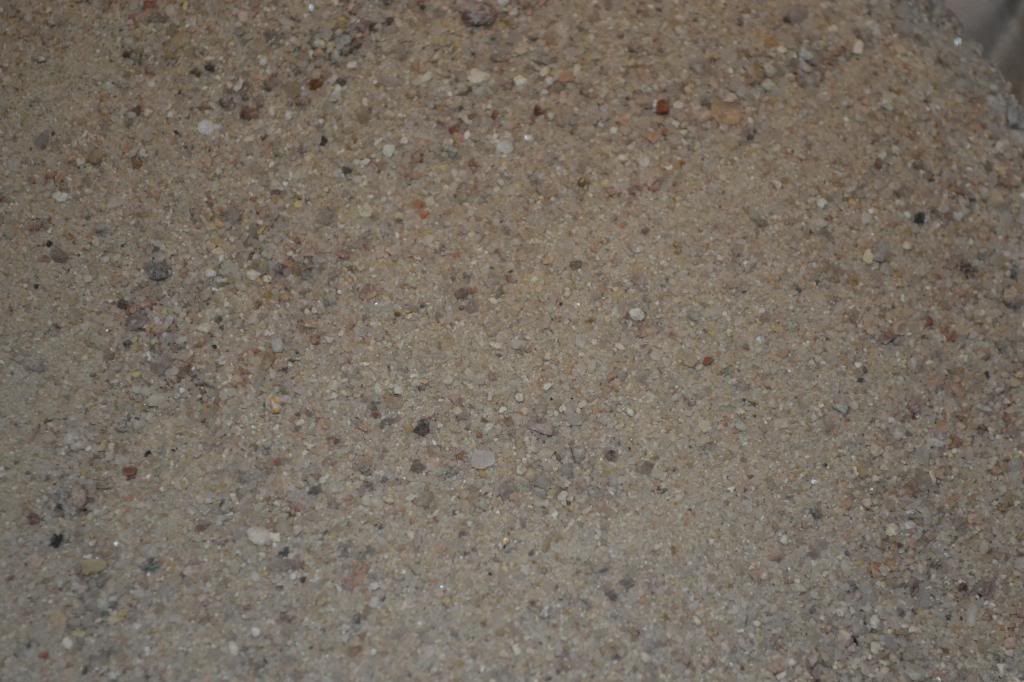 This is dry play sand. It's what you see when you go to the beach. You pick it up, it cascades out of your hand, even through the smallest cracks in your fingers. Example: 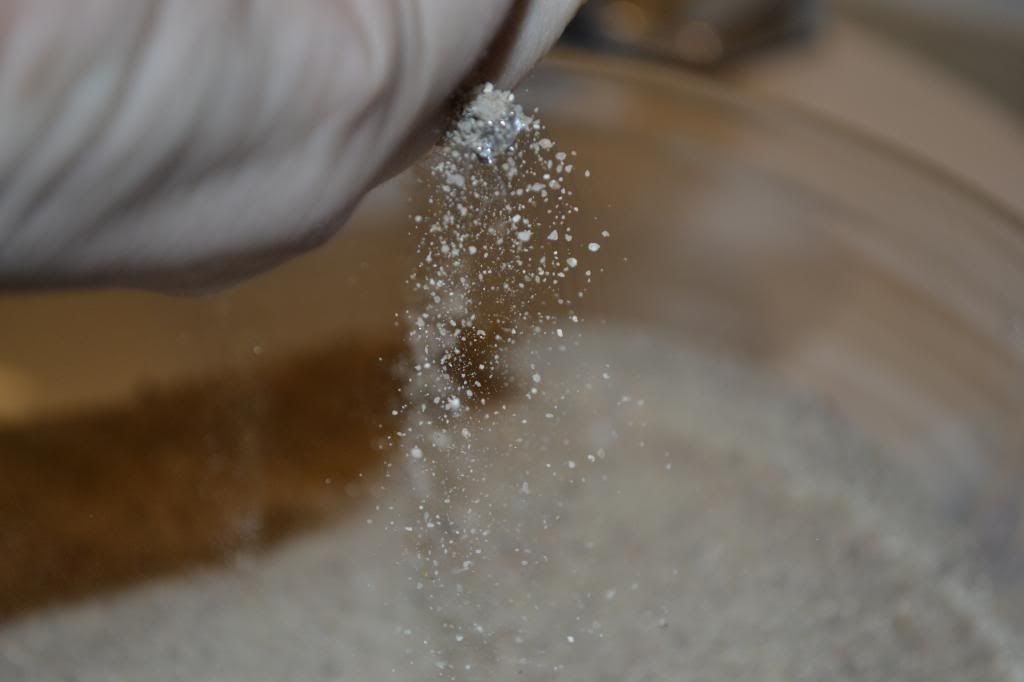 But a dry media isn't what makes something unsafe to use. The biggest fear (and rumor) of using play sand in your enclosure is that it's impacting. The inside of an animal's body is wet. When something is swallowed, it becomes wet. This is how play sand looks when it's wet: 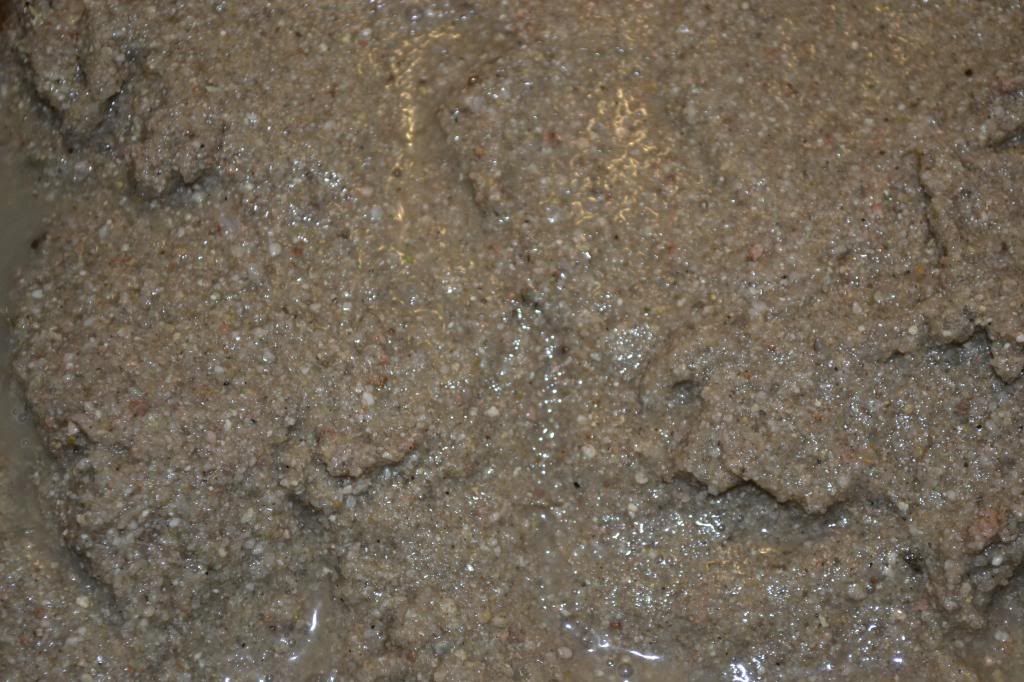 What makes play sand safe to use? Well, I grabbed a large amount in my hand, made a tiny hole, and out came the sand! 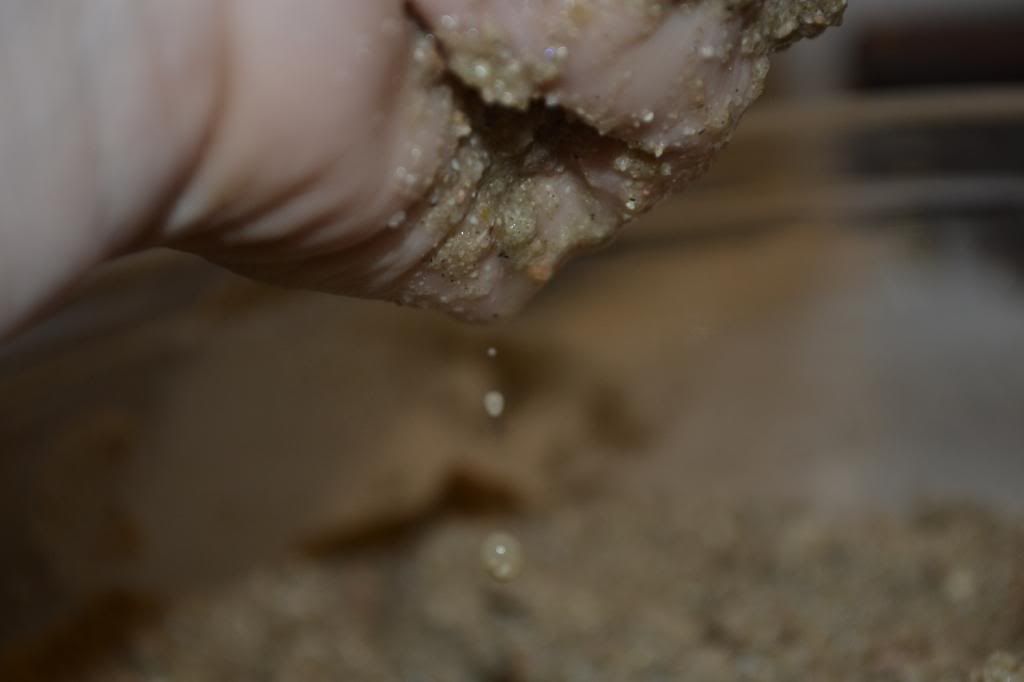 Now, obviously there isn't as much wet sand escaping my hand as there was dry sand, but there are two things to think about here. Number one, unless there is something nutritionally or medically wrong with your animal, he isn't going to be purposefully seeking out sand to eat. Even females who taste the earth when gravid do not wind up swallowing a large amount of substrate. The most common way that an animal swallows substrate is by accidental ingestion. This happens when your animal is eating their natural food supply off of the substrate, and a little bit gets into its mouth. Clearly, the sand is not binding, especially in small amounts. The second thing to keep in mind here is that the digestive system works as a muscle. It moves food and foreign objects along through the body. My hand was completely rigid when I was holding the sand in the fourth picture. It just came out on its own. With the help of a digestive system, it would be pushed out.
How to use children's washed play sand for your reptile:
Children's washed play sand on its own rarely makes an ideal substrate. Simply put, most reptile species aren't adapted to move on top of or through it. On its own, it can be used for the following species:
-Sand boas
-Uromastyx
-side winders
-sand skinks
-some species of tortoises
-some species of chuckwallas
Mixed with soil or coco-husk, however, play sand makes an ideal substrate for many species of reptiles. 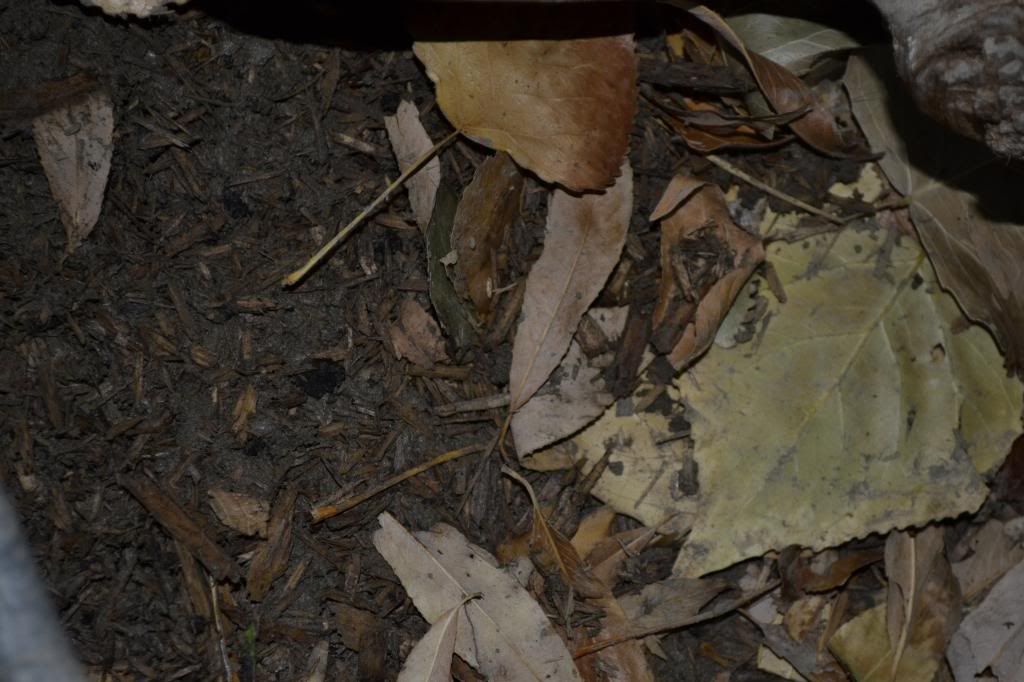 A soil/sand mixture is easy for an animal to walk on. It holds burrows beautifully. It can hold any amount of humidity you need. You can plant live plants in it. It can be a great media for bug colonies in bio-active substrates. Here is a small example of the many species that do well in this substrate:
-hog noses
-corn snakes
-milk snakes
-king snakes
-Boa constrictors
-ball pythons
-Burmese pythons
-carpet pythons
-monitors
-tegus
-bearded dragons
-water dragons
-anoles
-leopard geckos
-crested geckos
When is it not okay to use children's washed play sand as a substrate:
When you have a serious case of animal neglect, it's not okay to use any sort of particle substrate. Here are a few examples:
-Improper humidity and dehydration. If you are having trouble achieving the proper humidity for your reptile, you have a lot more to worry about than proper substrate. Humidity that is too low for your reptile's needs can easily cause dehydration. Dehydration causes the body to shut down.
-Improper heat. Reptiles are ectothermic. That means it relies on its environment to heat and cool itself. An animal needs heat for digestion to work properly.
Basically, if either of these problems occur, you need to fix them immediately. If an animal is too dehydrated or cold to pass sand, it is too dehydrated or cold to digest food. Even a natural diet could kill a reptile that is dehydrated or too cold. Either the food will impact their digestive tract, or the food will rot in their stomachs and cause massive infection. It is very important, for all aspects of animal husbandry, to be sure your pet's needs are being met.
__________________
Quote:
|
Originally Posted by A Whimsical Observer
A seed is a tiny plant, in a box, with its lunch.
|
|

|
|
 Posting Rules |
You may not post new threads
You may not post replies
You may not post attachments
You may not edit your posts
HTML code is Off
|
|
|
All times are GMT -6. The time now is 01:45 AM.
Powered by vBulletin®
©2000 - 2026, Jelsoft Enterprises Ltd.
Copyright © 2002-2026, Hobby Solutions.
|
 |


 Threaded Mode